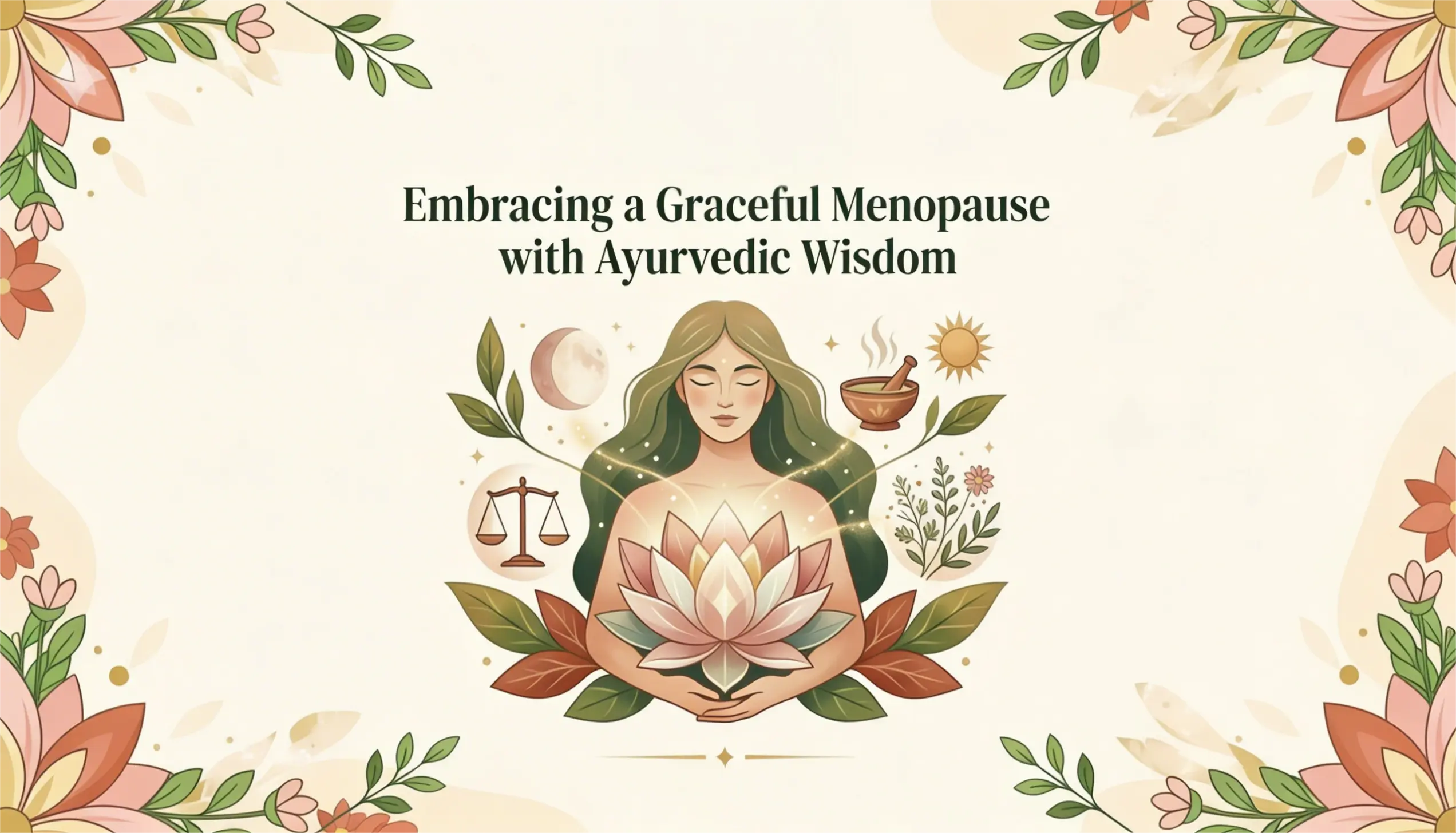
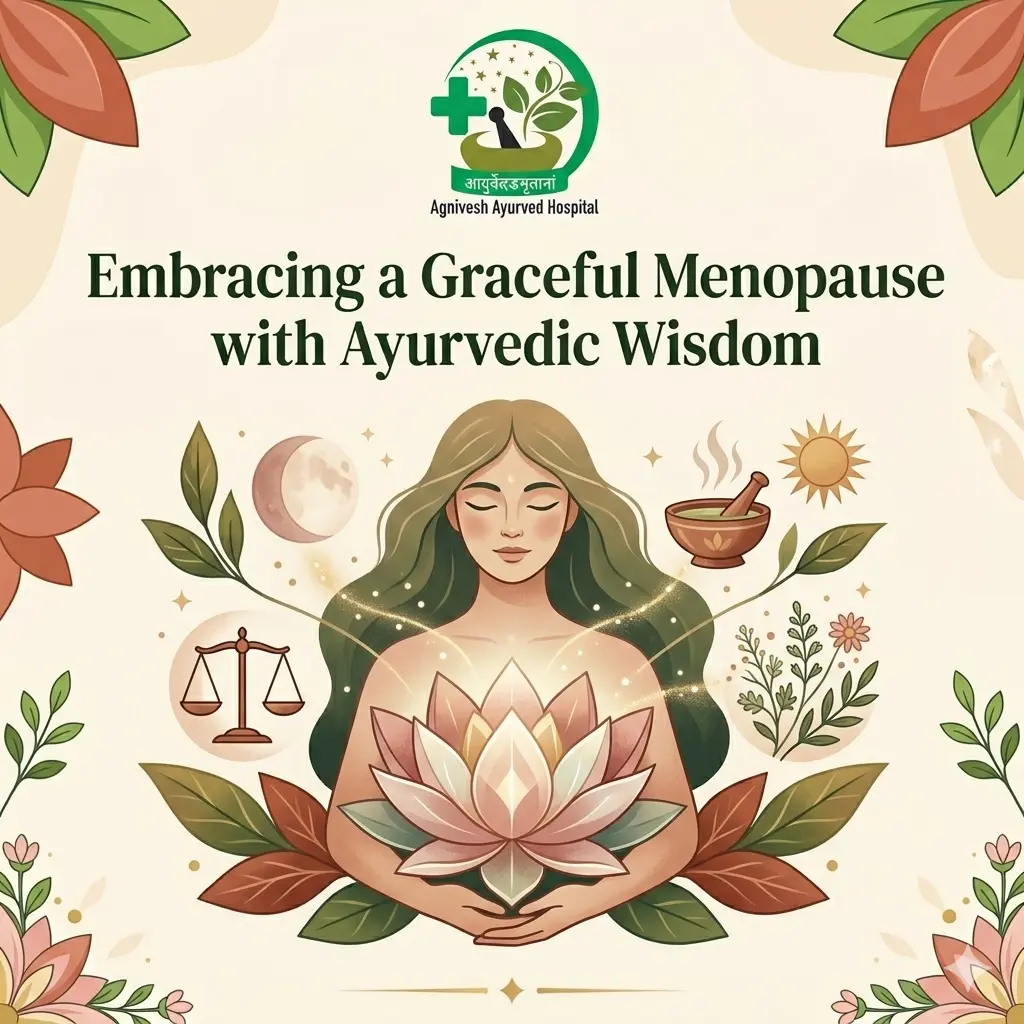
Menopause is a natural transition and not a disorder. We can see this more clearly through the lens of Ayurveda.
Ayurveda and Menopause
-
Modern medicine considers menopause as a deficiency of hormones.
-
However, Ayurveda considers it not as a disease, but as a natural life stage.
-
Ayurveda beautifully describes life as having three stages:
यस्तु वृद्धे सन्दीप्तः पित्तं मध्यं प्रबलं स्मृतम्।
श्लेष्मा बाले प्रबल इत्येषां स्वाभाविकं क्रमम्॥
(Charak Samhita, Sharir Sthana 1/2)
Childhood → Kapha dominant
Youth/Adulthood → Pitta dominant
Old Age → Vata dominant
As women reach menopause, they begin to experience the Vata stage of life.
In Ayurveda, Vata is described as:
रूक्षो लघुः शीतः खरः सूक्ष्मश्चलोऽनिलः
(Dryness – Ruksha, Light – Laghu, Cold – Sheeta, Rough – Khara, Subtle – Sukshma, Mobile – Chala).
When Vata is elevated in the body, you may experience the following:
-
Ruksha – Vaginal dryness and dry skin
-
Laghu – Weakness and fatigue.
-
Sheeta – Decreased metabolic warmth.
- Chala – Anxiety and mood instability.
-
Sukshma – Depletion of the body’s tissues.
What occurs internally?
- decrease in nutritive fluid, or Rasa Dhatu
- Dhatu Kshaya (tissue depletion) gradually
- Rakta and other Dhatus are affected sequentially.
- eventually results in Artava Nasha, or the cessation of menstruation.
This explains why menopause is not sudden — it is a progressive depletion process
Typical signs of Vata:
- Dry skin
- Insomnia
- Tremors
- Pain in joints
- Feeling tired
- Unstable emotions
Pitta Dosha Involvement
- Hot flashes
- Excess sweating
- Irritability & anger
- Heat intolerance
Menopause is therefore a Vata–Pitta imbalance phase, not Vata alone.
How to manage Menopause through Ayurveda
Menopause in Ayurveda is also about balancing Doshas, nourishing Dhatus, and stabilizing everything.
1. Ahara (Diet)
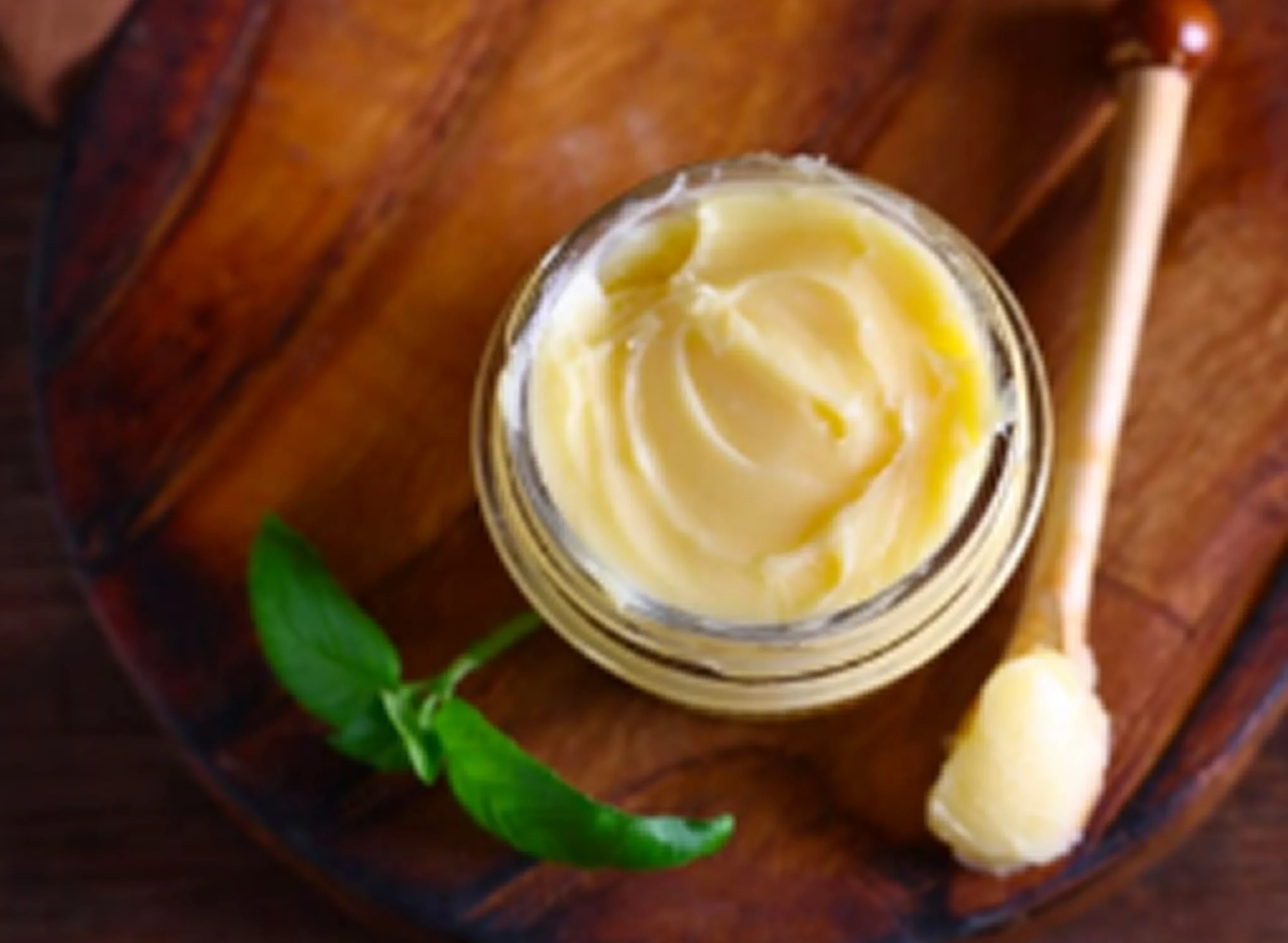
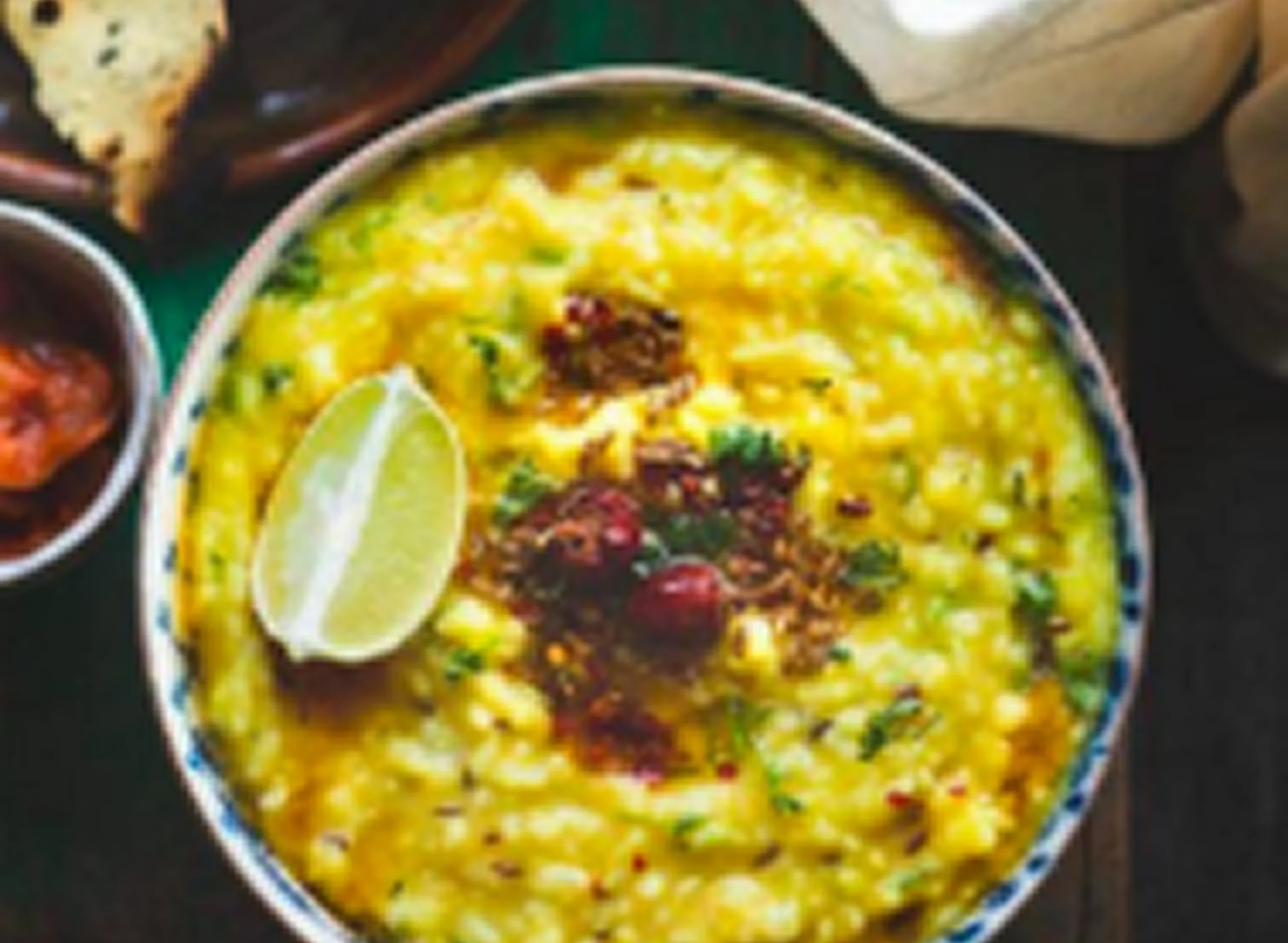
Warm, rich, nourishing foods are preferred. Include ghee, dairy, and all kinds of nuts and seeds. Avoid anything dry, cold, or processed. Be consistent with meal times.
2. Vihar (Lifestyle)
Daily Abhyanga (oil massage) is great for Vata. Gentle Yoga & Pranayama are helpful. Good quality sleep, and stress management is essential.
3. Panchakarma
- Basti (medicated enema) is the best for Vata balance.
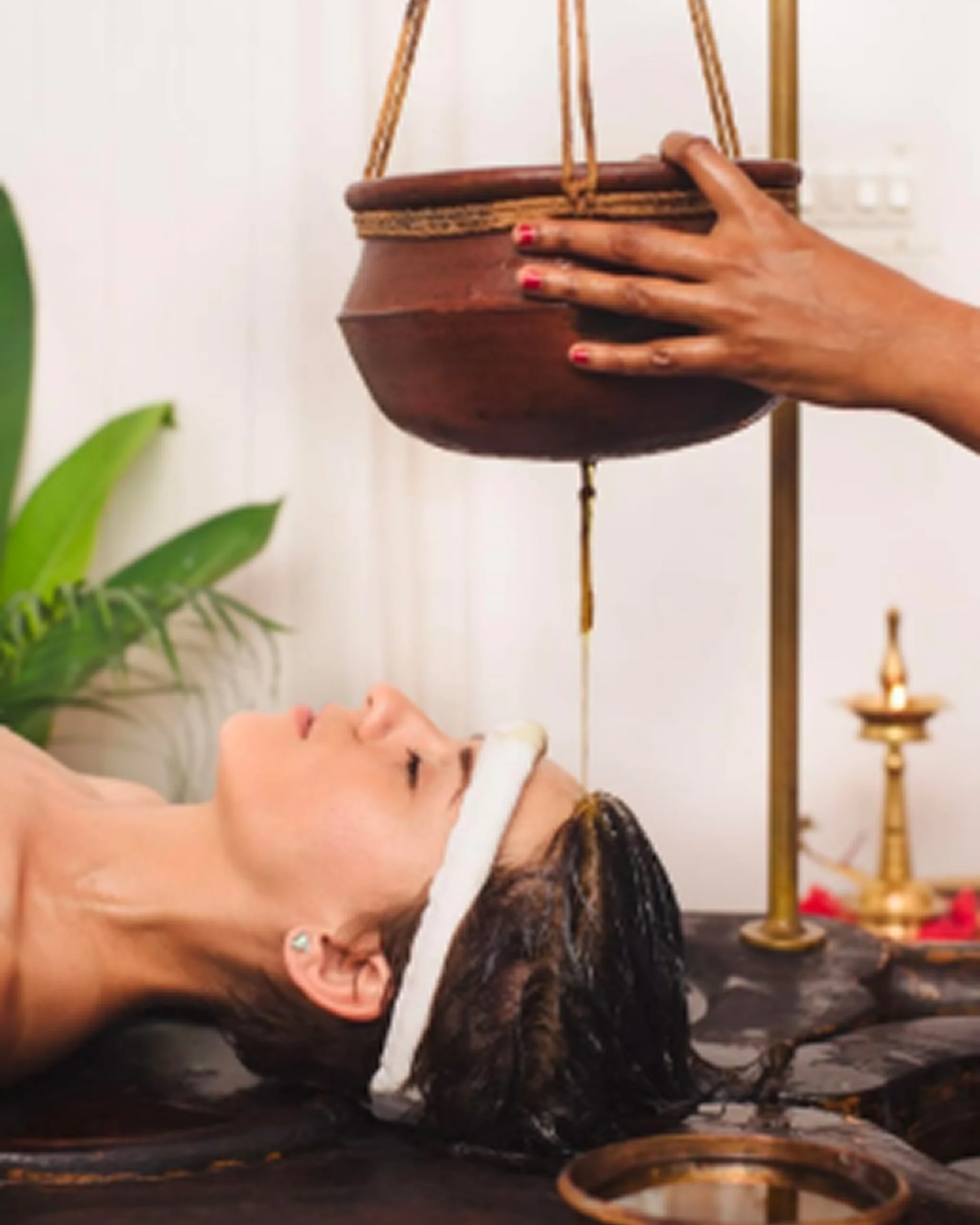
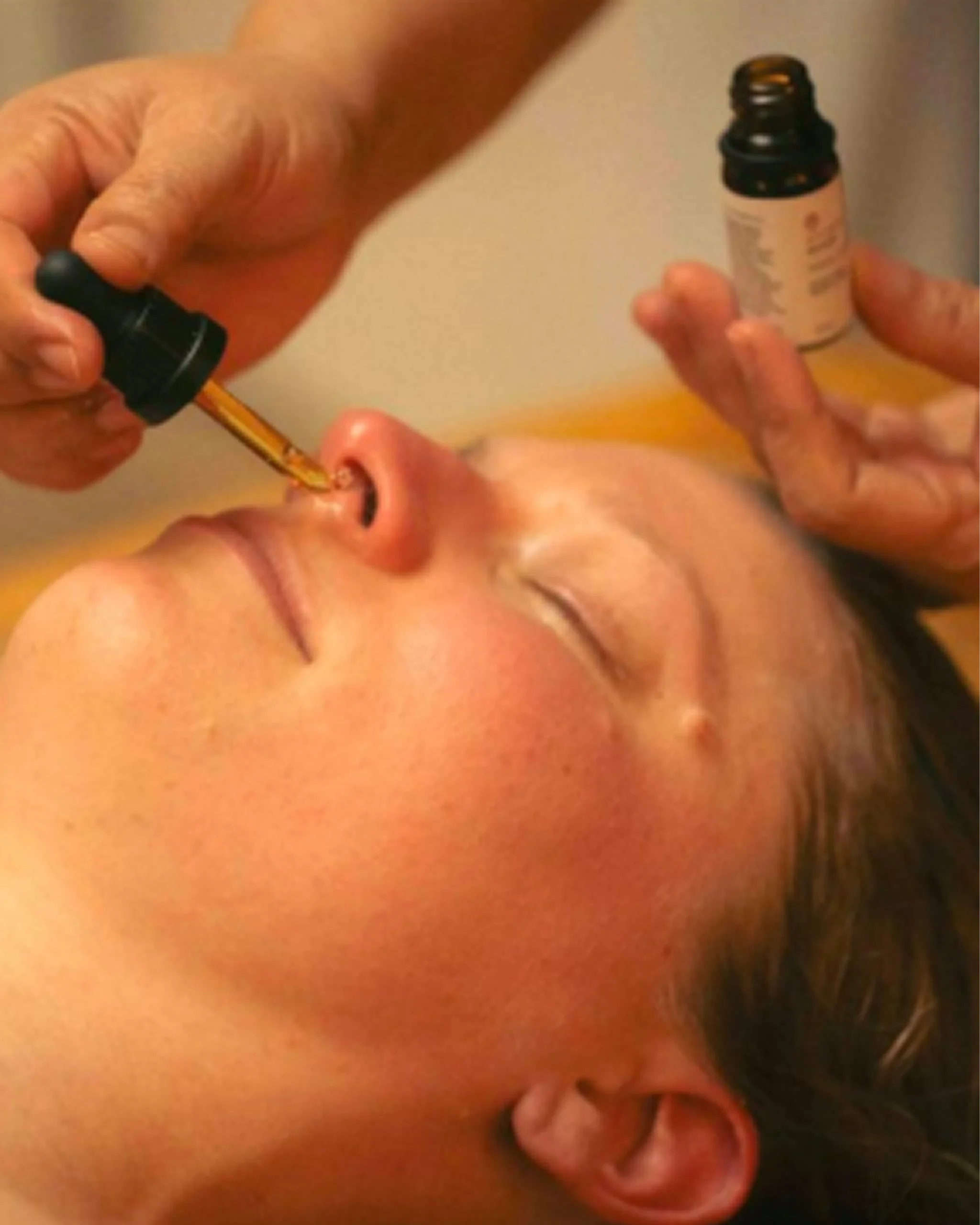
- Shirodhara and Nasya are for mental peace.
- Virechana (if necessary) is for Pitta management.
Panchakarma is great for deep detox and rejuvenation and helps in slowing the process of degeneration.
Menopause isn't an ending, but rather a powerful phase of transformation.
- Accept it.
- Support the body.
- Maintain balance instead of suppression.
With the appropriate diet, lifestyle, and panchakarma, menopause can be a healthy and graceful transition.
At Agnivesh Ayurved Hospital
we offer individualized Ayurvedic care for menopause focusing on:
- Healing from the root.
- Natural hormonal balance.
- Wellness without dependence, long-term.