
2 Benefits of Drinking Fenugreek Tea While Breastfeeding
September 17, 2025
Our blogs
As a regular Panchakarma participant for the past ten years, I am writing this article to share tips...
2 Benefits of Drinking Fenugreek Tea While Breastfeeding September 17, 2025 Our blogs 2 Benefits of...
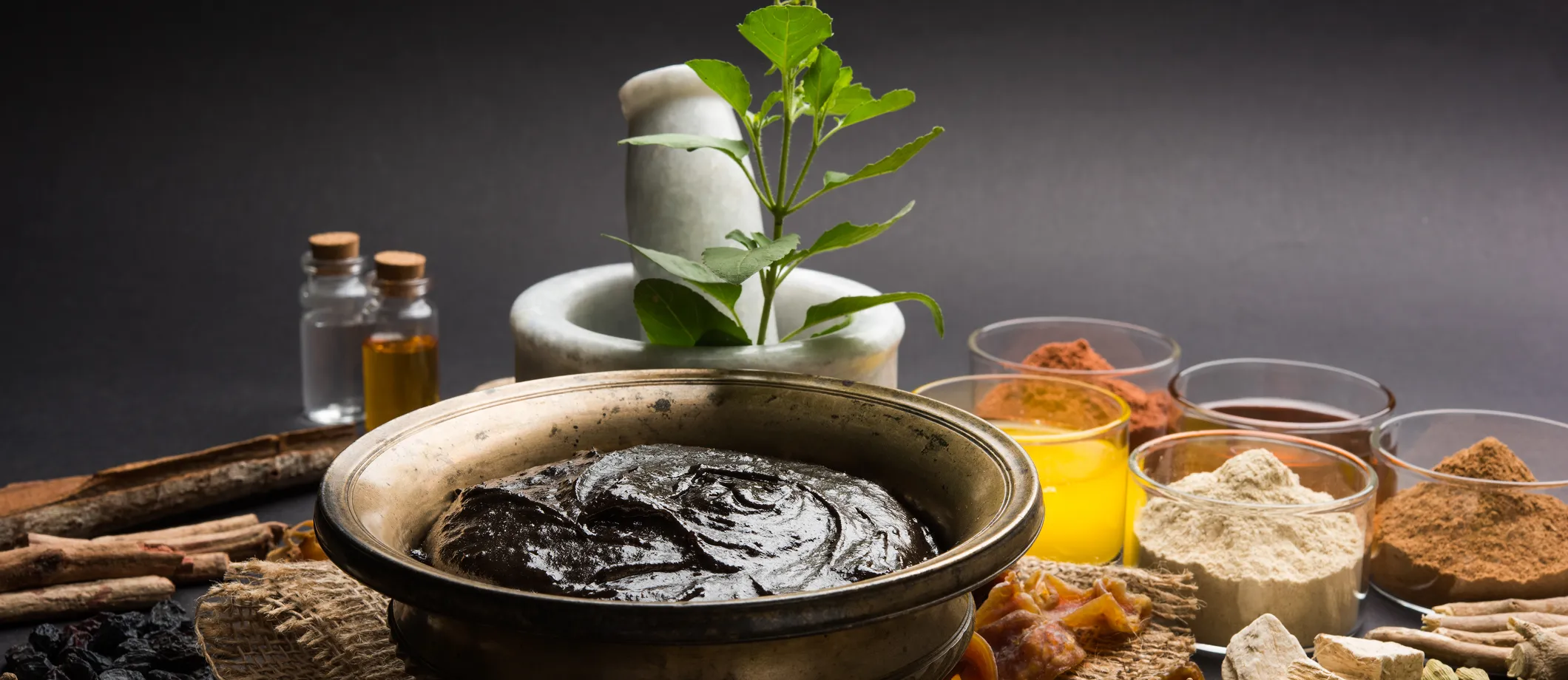
What Is Ayurveda?
Ayurveda is a 5,000-year-old holistic health system from India that focuses on balance—of body, mind, and spirit. Rather than only treating symptoms, it aims to discover root causes and restore harmony through daily habits, nutrition, herbal medicines, and mindful living.
At its core are the three doshas—Vata (movement), Pitta (transformation), and Kapha (structure). Everyone has all three, but in unique proportions; this constitution (prakriti) shapes digestion, energy, mood, and even what kind of lifestyle suits best.
Why Ayurveda Still Matters
- Personalized care: guidance is tailored to one’s constitution and current imbalance (vikriti).
- Preventive focus: routines, seasonal adjustments, and diet aim to keep disease from developing.
- Whole-person healing: addresses sleep, stress, emotions, environment, and community—not just the body.
The Doshas at a Glance
- Vata (air/space): creative, quick, adaptable; imbalances show as anxiety, dry skin, constipation, irregular sleep. Calms with warmth, routine, grounding foods.
- Pitta (fire/water): focused, driven, sharp; imbalances show as acidity, irritability, inflammation. Cools with moderation, cooling foods, and time in nature.
- Kapha (earth/water): steady, compassionate, enduring; imbalances show as sluggishness, congestion, weight gain. Lightness, movement, and stimulating spices help.
The Doshas at a Glance
- Morning routine: tongue scraping, oil pulling, warm water, gentle stretches or breathwork (pranayama).
- Mealtimes: eat warm, freshly cooked meals at regular hours; minimize snacking; favor digestive spices like cumin, ginger, fennel.
- Sleep rhythm: align with natural light—wind down by 10 pm for deeper restoration.
- Seasonal shifts: adjust diet and self-care with the climate (light, cooling in summer; warm, moistening in winter).
Food as Medicine
Ayurveda emphasizes agni—digestive fire—as the foundation of health.
- Support agni with warm meals, mindful eating, and avoiding ice-cold drinks.
- Build plates with whole grains, legumes, seasonal vegetables, healthy fats (ghee, sesame), and spices tailored to your dosha.
- Simple tonic: warm water with ginger and lemon before meals to spark digestion (skip lemon if very Pitta).
Signature Therapies
- Abhyanga: warm oil massage to nourish tissues, calm the nervous system, and improve circulation.
- Shirodhara: steady stream of warm oil over the forehead to quiet mental chatter and support sleep.
- Panchakarma: supervised detox and rejuvenation program to clear deep-seated toxins and reset digestion.
- Herbal support: classical formulations like Triphala (gentle bowel support), Ashwagandha (stress resilience), Brahmi/Gotu Kola (mental clarity). Always consult a qualified practitioner for dosing and suitability.
Mind–Body Practices
- Yoga asana adapted to your dosha (slow and grounding for Vata, cooling for Pitta, energizing for Kapha).
- Breathwork: alternate-nostril breathing for balance; sheetali/sitkari for cooling; kapalabhati for Kapha stimulation.
- Meditation: even 10 minutes daily reduces stress reactivity and complements herbal care.
Safe, Modern Ayurveda
- Work with certified vaidyas/practitioners, especially for chronic conditions, pregnancy, or when taking medications.
- Source herbs from reputable suppliers with quality testing.
- Integrate with conventional care—share your regimen with your physician for coordinated, safe treatment.
A One-Week Gentle Reset (Sample)
- Morning: tongue scrape, warm water; 10 minutes breathwork; light walk.
- Meals: kitchari (mung dal + rice) with seasonal vegetables; digestive tea (cumin–coriander–fennel).
- Evening: abhyanga with warm sesame oil before a warm shower; screens off an hour before bed; lights out by 10 pm.
- Midweek: add restorative yoga; journal gratitude; reduce caffeine/sugar. Adjust portions and spices to your constitution and climate.
Getting Started
- Identify your current imbalances (sleep, digestion, mood).
- Choose two habits to anchor: fixed mealtimes and a 10 pm bedtime.
- Add one practice you enjoy: abhyanga, herbal tea, or a short meditation.
- Consult a professional for a personalized plan, especially if symptoms persist.
* Ayurveda doesn’t promise overnight fixes; it offers a practical pathway to sustainable vitality—one aligned meal, one deep breath, and one restful night at a time.